AI Innovations in Robotics: Overcoming Challenges of Deformable Material Assembly in Manufacturing
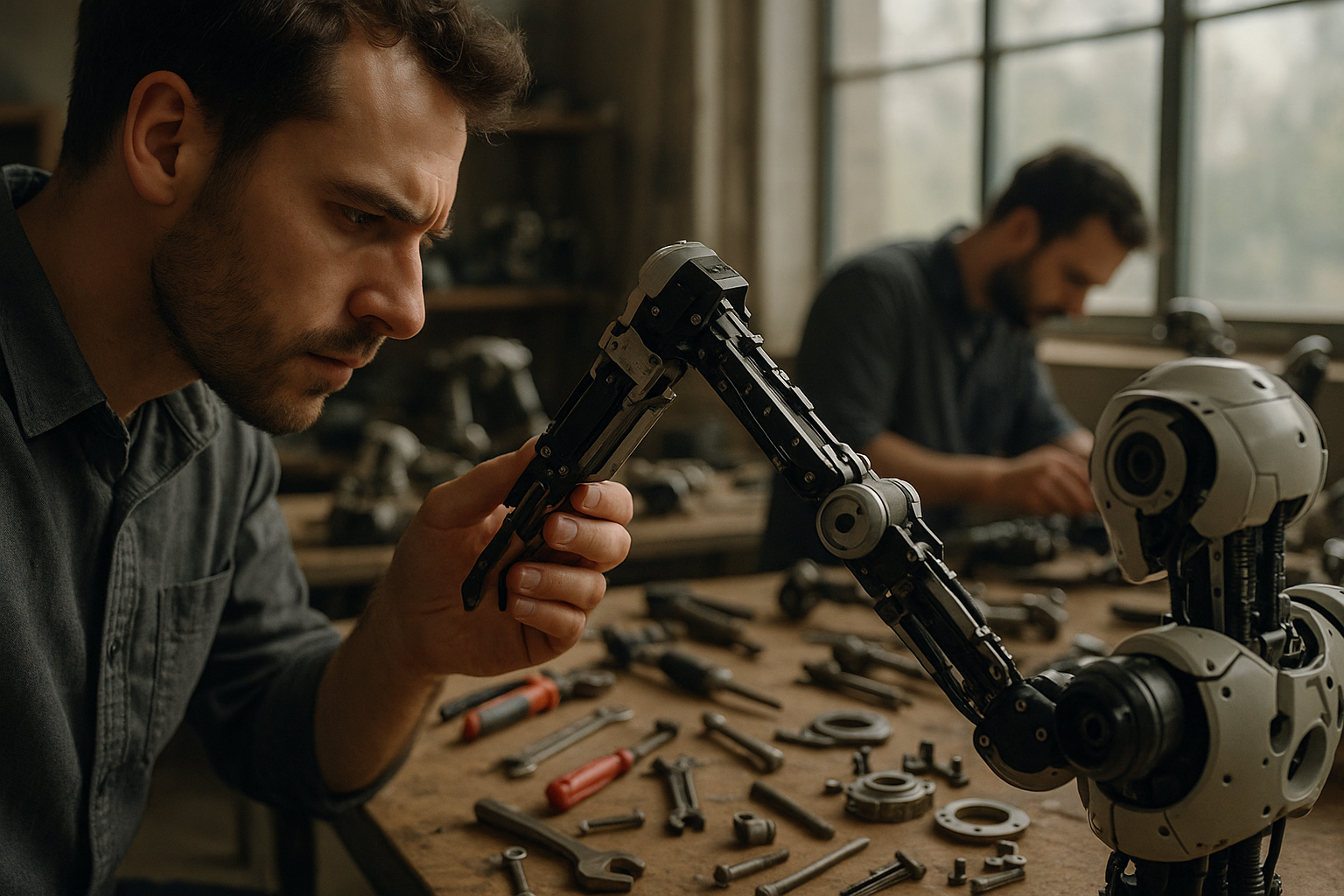
Among today’s robotics news, few topics expose manufacturing challenges like deformable material assembly. Fabrics, foams, cables, and food products change shape, slip, and wrinkle—conditions that defeat rigid programming and push artificial intelligence advancements into the real world. The result is a proving ground for robotics and AI synergy, where perception, planning, and force control must work together in milliseconds.
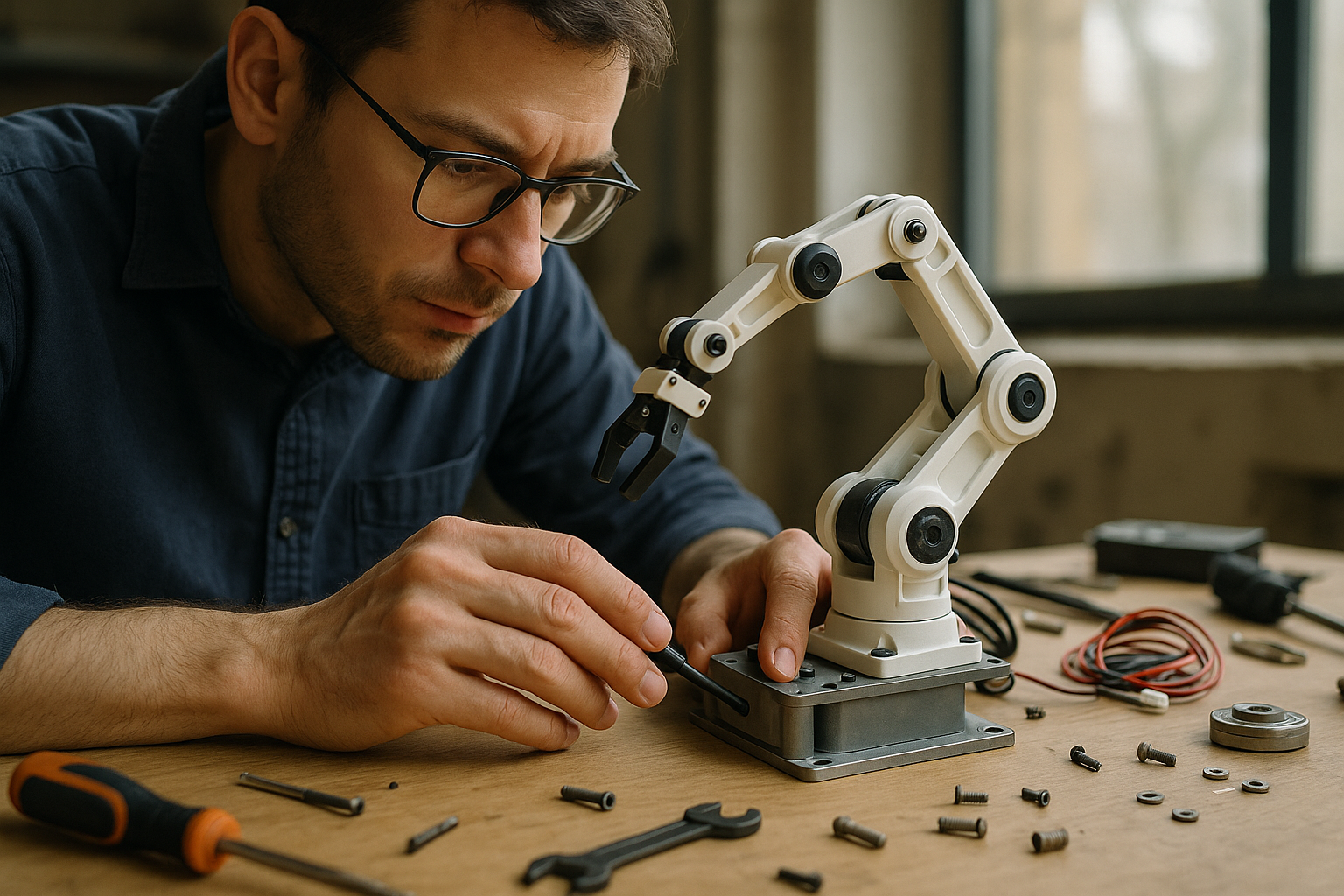
AI innovations are enabling intelligent robots to “feel and see” variability through vision, tactile sensing, and learning-based control. This AI-driven automation supports adaptive robotics that can grasp, stretch, align, and fasten soft goods without over-constraining parts. These robot technology breakthroughs also accelerate smart machines integration with digital workcells, creating flexible manufacturing systems that switch SKUs faster and reduce scrap.
Real applications: apparel handling, mattress and upholstery build, wire harness routing, medical textiles, and packaging—areas where industrial robots in manufacturing and service robots in industry can share toolsets and software.
Business impact: higher throughput with fewer fixtures, improved quality, and labor relief in hard-to-staff processes—key automation solutions for smart manufacturing.
For robotics engineering teams, the shift is clear: AI in industrial robotics is moving from demos to production, as AI-powered robots master uncertainty and make cutting-edge robot technology economically viable at scale.